

Introduction
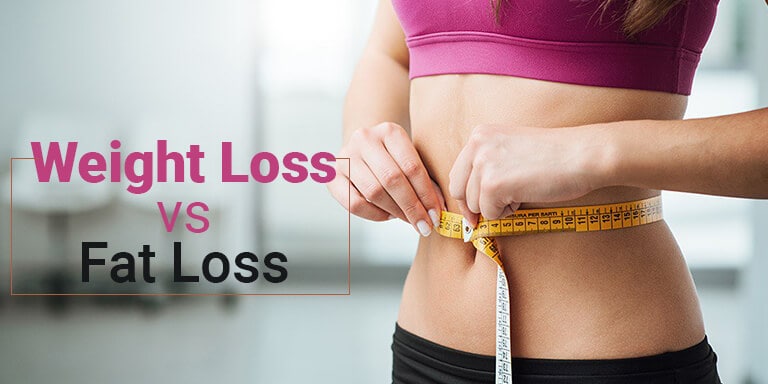
Many people use the terms fat loss and weight loss interchangeably, but they are not the same thing. While both may lead to a lower number on the scale, the processes behind them and their effects on the body are very different. Understanding the distinction between fat loss and weight loss is important for anyone trying to improve health, body composition, fitness, or long-term wellness.
Weight loss simply refers to a reduction in total body weight. This can include losing water, muscle, glycogen, or body fat. Fat loss, on the other hand, specifically refers to reducing stored body fat while preserving lean muscle mass. Although both may result in a smaller body size, fat loss is generally considered healthier and more sustainable.
Focusing only on the scale can sometimes create misleading results. A person may lose several pounds quickly through dehydration or muscle loss, but that does not necessarily improve overall health or body composition. Sustainable fat loss supports better metabolism, physical performance, and long-term wellness.
This article explains the key differences between fat loss and weight loss, why the distinction matters, and how to approach healthy body transformation more effectively.
What Is Weight Loss?
Weight loss refers to a decrease in overall body weight. The body is made up of several components, including:
- Body fat
- Muscle mass
- Water
- Bone mass
- Glycogen stores
- Internal organs
When body weight decreases, the loss may come from one or several of these components.
For example, rapid dieting often leads to water loss and muscle loss rather than significant fat reduction. This is why people sometimes regain weight quickly after extreme diets.
Causes of Weight Loss
Weight loss can occur due to:
- Calorie restriction
- Dehydration
- Illness
- Increased physical activity
- Low carbohydrate diets
- Muscle breakdown
- Stress or poor nutrition
Not all weight loss is healthy or beneficial.
Water Weight and Scale Changes
Body weight naturally fluctuates because of hydration levels, sodium intake, hormones, and glycogen storage.
A person may lose several pounds within a few days from reduced water retention without actually losing body fat.
This explains why quick-fix diets often produce rapid initial results that are difficult to maintain.
What Is Fat Loss?
Fat loss specifically refers to reducing stored body fat while preserving lean body mass.
Body fat serves important functions, including:
- Energy storage
- Hormone regulation
- Organ protection
- Temperature regulation
However, excess body fat, especially visceral fat around internal organs, may increase the risk of health conditions such as:
- Heart disease
- Type 2 diabetes
- High blood pressure
- Sleep apnea
- Metabolic syndrome
Healthy fat loss focuses on improving body composition rather than simply lowering body weight.
How Fat Loss Happens
Fat loss occurs when the body uses stored fat for energy over time.
This generally happens when:
- Calorie expenditure exceeds calorie intake
- Physical activity increases
- Nutrition improves
- Muscle mass is maintained through strength training
Unlike rapid weight loss, fat loss usually occurs gradually and sustainably.
Key Differences Between Fat Loss and Weight Loss
Although the terms are often confused, there are several important differences between fat loss and weight loss.
Weight Loss Includes Multiple Components
Weight loss can involve reductions in:
- Water
- Muscle
- Glycogen
- Fat
Fat loss specifically targets body fat while preserving muscle tissue.
Fat Loss Supports Better Body Composition
A person can weigh the same but look leaner due to improved body composition.
For example, someone who gains muscle while losing fat may not see dramatic scale changes, even though their health and appearance improve.
Weight Loss Can Be Temporary
Rapid weight loss from dehydration or restrictive dieting is often temporary.
Fat loss achieved through sustainable habits is generally easier to maintain long term.
Fat Loss Supports Metabolic Health
Preserving muscle during fat loss helps maintain a healthier metabolism.
Excessive weight loss that includes muscle loss may slow metabolism and reduce physical strength.
Why Fat Loss Is Often More Important Than Weight Loss
Many people focus entirely on reaching a target number on the scale. However, body composition and overall health are often more important indicators of wellness.
Better Physical Health
Reducing excess body fat may lower the risk of chronic diseases.
Fat loss can improve:
- Blood sugar control
- Cholesterol levels
- Blood pressure
- Heart health
- Mobility
- Joint health
Improved Muscle Preservation
Healthy fat loss strategies aim to maintain or increase muscle mass.
Muscle supports:
- Strength
- Metabolism
- Physical performance
- Balance and stability
- Healthy aging
Sustainable Long-Term Results
Extreme weight-loss methods often lead to rebound weight gain.
Gradual fat loss supported by balanced nutrition and exercise is more sustainable over time.
Common Mistakes People Make When Trying to Lose Weight
Many people unintentionally lose muscle and water instead of body fat.
Severe Calorie Restriction
Extremely low-calorie diets may cause:
- Muscle loss
- Fatigue
- Nutrient deficiencies
- Slower metabolism
- Increased cravings
The body may enter a conservation mode that makes long-term fat loss more difficult.
Overdoing Cardio Without Strength Training
Cardiovascular exercise can help burn calories, but excessive cardio without resistance training may contribute to muscle loss.
Strength training helps preserve lean mass during fat loss.
Ignoring Protein Intake
Protein is important for muscle maintenance and recovery.
Low protein intake during dieting may increase muscle breakdown.
Relying Only on the Scale
The scale does not distinguish between fat, muscle, or water.
People may become discouraged even when body composition is improving.
How to Measure Fat Loss More Accurately
Scale weight alone does not always provide a complete picture.
Several methods can help track fat loss more effectively.
Body Measurements
Tracking waist, hips, thighs, and arms can reveal physical changes that the scale may not show.
Progress Photos
Visual comparisons often provide a clearer picture of body composition changes.
Body Fat Testing
Methods for estimating body fat percentage include:
- Skinfold measurements
- Bioelectrical impedance scales
- DEXA scans
- Hydrostatic weighing
While no method is perfect, body fat tracking may offer more useful insights than scale weight alone.
Fitness Improvements
Increased strength, endurance, and mobility often indicate positive body composition changes.
The Role of Nutrition in Fat Loss
Nutrition is one of the most important factors in reducing body fat.
Create a Moderate Calorie Deficit
Fat loss generally requires consuming fewer calories than the body uses.
However, moderate deficits are usually more sustainable and safer than extreme restriction.
Prioritize Protein
Protein helps:
- Preserve muscle mass
- Increase fullness
- Support recovery
- Maintain metabolism
Good protein sources include:
- Lean meats
- Fish
- Eggs
- Greek yogurt
- Beans
- Tofu
- Cottage cheese
Focus on Whole Foods
Whole foods provide nutrients that support energy, recovery, and satiety.
Helpful choices include:
- Vegetables
- Fruits
- Whole grains
- Healthy fats
- Lean proteins
- Legumes
Manage Portion Sizes
Even healthy foods can contribute to excess calorie intake if portions become too large.
Mindful eating habits may support better long-term fat loss results.
Exercise Strategies for Fat Loss
Exercise helps increase calorie expenditure while supporting muscle preservation.
Strength Training
Resistance training is one of the most effective tools for maintaining muscle during fat loss.
Examples include:
- Weightlifting
- Resistance bands
- Bodyweight exercises
- Functional training
Strength training may also improve metabolism and bone health.
Cardiovascular Exercise
Cardio helps burn calories and improve heart health.
Good options include:
- Walking
- Running
- Cycling
- Swimming
- Rowing
- High-intensity interval training
A balanced combination of cardio and strength training often produces the best results.
Daily Movement Matters
Non-exercise movement also contributes to calorie expenditure.
Activities such as:
- Walking more
- Taking stairs
- Standing regularly
- Household chores
can support fat loss progress.
Sleep and Stress Management
Sleep and stress have major effects on body composition.
Poor Sleep and Weight Gain
Lack of sleep may increase hunger hormones and cravings for high-calorie foods.
Poor sleep can also reduce recovery and exercise performance.
Chronic Stress and Fat Storage
Long-term stress increases cortisol levels, which may contribute to increased abdominal fat storage.
Stress management strategies may include:
- Meditation
- Deep breathing
- Exercise
- Journaling
- Relaxation techniques
Supporting mental wellness is important for sustainable fat loss.
Why Quick Weight Loss Diets Often Fail
Many fad diets promise rapid weight loss, but these approaches are rarely sustainable.
Quick-fix diets often lead to:
- Water loss
- Muscle breakdown
- Nutrient deficiencies
- Metabolic slowdown
- Weight regain
Long-term success usually comes from gradual lifestyle changes rather than temporary restrictions.
Building a Healthy Long-Term Approach
Sustainable fat loss involves creating healthy habits that can be maintained over time.
Helpful long-term strategies include:
- Eating balanced meals
- Exercising consistently
- Prioritizing sleep
- Managing stress
- Staying hydrated
- Avoiding extreme diets
- Tracking progress realistically
Small consistent improvements often produce the best long-term results.
Conclusion
Understanding the difference between fat loss and weight loss is important for improving overall health and body composition. While weight loss simply reflects a lower number on the scale, fat loss focuses on reducing body fat while preserving muscle and supporting long-term wellness.
Rapid weight loss methods often produce temporary results by reducing water weight or muscle mass. In contrast, sustainable fat loss improves physical health, metabolism, strength, and energy levels.
Healthy body transformation requires balanced nutrition, regular exercise, proper sleep, stress management, and realistic expectations. Focusing on body composition and overall wellness rather than scale weight alone often leads to healthier and more sustainable outcomes.
Long-term success comes from consistency, patience, and habits that support both physical and mental well-being.
FAQs
1. Can someone lose weight without losing fat?
Yes. Weight loss can come from water loss, muscle loss, or glycogen depletion without significant reductions in body fat.
2. Why is fat loss healthier than rapid weight loss?
Fat loss helps preserve muscle mass, supports metabolism, and improves long-term health more effectively than rapid weight loss methods.
3. Does strength training help with fat loss?
Yes. Strength training helps maintain muscle mass while increasing calorie expenditure and improving body composition.
4. How quickly should healthy fat loss happen?
Gradual fat loss is generally more sustainable. Many experts recommend aiming for steady progress rather than rapid changes.
5. Why does body weight fluctuate daily?
Daily weight changes often result from hydration levels, sodium intake, hormones, digestion, and glycogen storage.
6. Can cardio alone reduce body fat?
Cardio can support fat loss, but combining it with strength training and proper nutrition often produces better long-term results.
7. How important is sleep for fat loss?
Quality sleep supports hormone balance, appetite regulation, recovery, and overall metabolic health, all of which affect fat loss progress.

Comments are closed.