

Introduction
Healing is a complex process that involves both the body and the mind. Whether recovering from illness, injury, surgery, or chronic stress, the body requires proper care and support to heal effectively. Modern healthcare offers many treatment methods that not only address symptoms but also improve overall wellness and recovery outcomes.
Faster healing does not always come from a single solution. Instead, it often results from a combination of medical treatment, healthy lifestyle habits, mental well-being, nutrition, physical activity, and consistent self-care. The body has a natural ability to repair itself, but certain practices and therapies can strengthen that process.
Wellness-focused treatment methods aim to support the whole person rather than focusing solely on a condition or symptom. This approach can improve energy, reduce discomfort, strengthen immunity, and promote long-term health.
This article explores treatment methods that support faster healing while improving physical, emotional, and mental wellness.
Understanding the Healing Process
Healing occurs in stages. The body responds to injury or illness by reducing damage, repairing tissues, and restoring function. During this process, several systems work together, including the immune system, circulatory system, nervous system, and muscular system.
Many factors influence how quickly and effectively healing occurs, including:
- Age
- Nutrition
- Sleep quality
- Stress levels
- Physical activity
- Medical conditions
- Hydration
- Lifestyle habits
Poor health habits may slow recovery, while supportive treatment methods can strengthen the body’s natural healing response.
Medical Treatments That Promote Recovery
Modern medicine plays an important role in healing and wellness. Medical treatments are often necessary for managing injuries, infections, chronic conditions, and recovery after surgery.
Physical Therapy
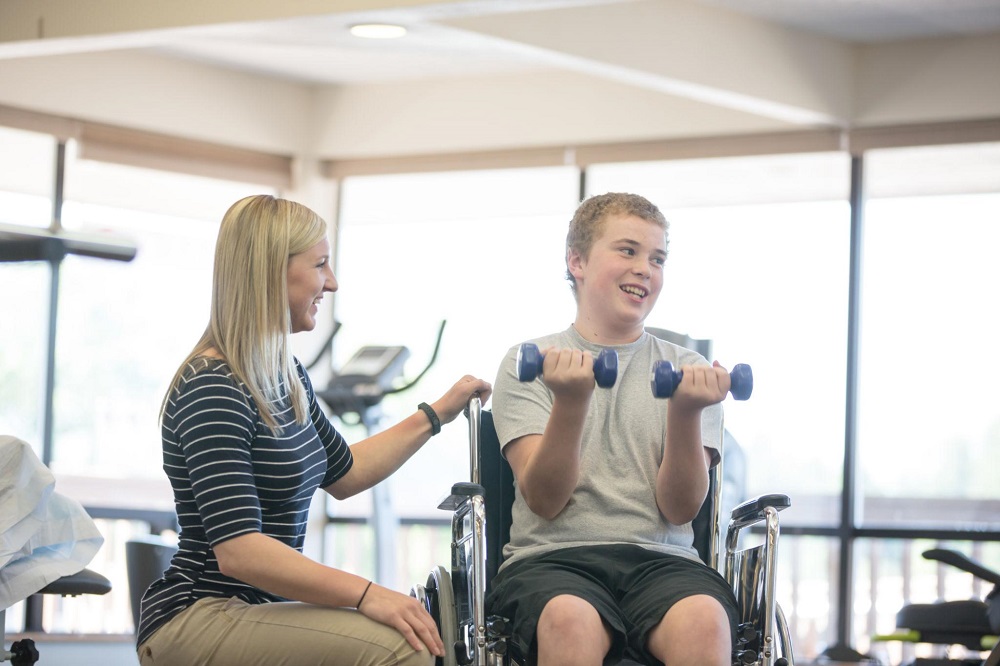
Physical therapy helps restore movement, strength, and flexibility after injury, surgery, or illness.
Therapists use targeted exercises and movement techniques to:
- Improve mobility
- Reduce pain
- Restore muscle function
- Prevent stiffness
- Improve balance and coordination
Physical therapy is commonly used for joint injuries, back pain, sports injuries, and post-surgical recovery.
Occupational Therapy
Occupational therapy focuses on helping individuals regain independence in daily activities.
Therapists may help patients improve:
- Hand coordination
- Mobility
- Strength
- Daily living skills
- Adaptive movement strategies
This type of therapy is especially helpful for individuals recovering from strokes, neurological conditions, or major injuries.
Medication Management
Medications can support healing by reducing pain, controlling inflammation, managing infection, or stabilizing chronic conditions.
When used responsibly under medical supervision, medications may improve comfort and allow the body to recover more effectively.
Examples include:
- Anti-inflammatory medications
- Antibiotics
- Pain relievers
- Blood pressure medications
- Diabetes management medications
Following prescribed treatment plans is important for safe and effective recovery.
Nutrition as a Healing Tool
Nutrition is one of the most powerful factors in recovery and wellness. The body needs nutrients to repair tissues, maintain immune function, and produce energy.
Protein for Tissue Repair
Protein plays a key role in healing muscles, skin, and other tissues.
Good protein sources include:
- Lean meats
- Fish
- Eggs
- Beans
- Greek yogurt
- Nuts and seeds
Adequate protein intake is especially important after surgery, injury, or illness.
Vitamins and Minerals
Certain nutrients directly support the healing process.
Important nutrients include:
- Vitamin C for collagen production
- Vitamin D for bone and immune health
- Zinc for wound healing
- Iron for oxygen transport
- Calcium for bone strength
Eating a balanced diet rich in fruits, vegetables, whole grains, and healthy fats supports overall wellness.
Hydration and Recovery
Water is essential for circulation, nutrient delivery, digestion, and cellular repair.
Dehydration may slow healing and reduce energy levels. Drinking enough fluids each day supports healthy body function and recovery.
Sleep and Its Impact on Healing
Sleep is one of the body’s most important recovery tools. During sleep, the body repairs tissues, restores energy, regulates hormones, and strengthens immune function.
Poor sleep can negatively affect:
- Immune response
- Pain tolerance
- Mood
- Mental clarity
- Tissue repair
Healthy Sleep Habits
Improving sleep quality may support faster healing.
Helpful sleep habits include:
- Maintaining a consistent sleep schedule
- Reducing screen exposure before bed
- Keeping the bedroom cool and quiet
- Limiting caffeine late in the day
- Creating a relaxing nighttime routine
Adults generally benefit from seven to nine hours of quality sleep each night.
Exercise and Movement for Recovery
Appropriate movement can support healing by improving circulation, reducing stiffness, and maintaining muscle strength.
While excessive strain can delay recovery, controlled physical activity often improves wellness and healing outcomes.
Low-Impact Exercise
Gentle exercises are often recommended during recovery.
Examples include:
- Walking
- Swimming
- Stretching
- Yoga
- Cycling
These activities support circulation and joint mobility while reducing stress.
Strength and Rehabilitation Exercises
Targeted rehabilitation exercises help rebuild strength after injury or illness.
Regular movement can also reduce inflammation and support cardiovascular health.
The Mental Benefits of Exercise
Exercise supports emotional wellness by reducing stress hormones and increasing mood-supporting chemicals in the brain.
Many people experience:
- Reduced anxiety
- Better mood
- Increased confidence
- Improved focus
- Better sleep
These benefits contribute to a more positive recovery process.
Stress Reduction and Emotional Wellness
Stress can significantly affect physical health and healing. Chronic stress increases inflammation and may weaken immune function.
Supporting emotional wellness is an important part of recovery.
Mindfulness and Meditation
Mindfulness practices encourage relaxation and mental focus.
Meditation may help reduce:
- Anxiety
- Stress
- Mental fatigue
- Emotional tension
Regular mindfulness practice may also improve sleep and emotional resilience.
Deep Breathing Exercises
Controlled breathing techniques activate the body’s relaxation response.
Deep breathing can help lower stress levels and improve emotional calmness.
Counseling and Emotional Support
Mental health support can improve overall wellness during difficult recovery periods.
Talking with a counselor, therapist, or support group may help individuals manage:
- Anxiety
- Depression
- Fear
- Emotional exhaustion
Emotional well-being often has a direct impact on physical recovery.
Alternative and Complementary Therapies
Many people combine traditional medical care with complementary therapies to support healing and wellness.
Massage Therapy
Massage may help:
- Reduce muscle tension
- Improve circulation
- Lower stress
- Support relaxation
- Decrease discomfort
Therapeutic massage is commonly used during recovery from physical strain or stress-related tension.
Acupuncture
Acupuncture involves placing thin needles at specific points on the body.
Some individuals use acupuncture to support pain management, relaxation, and overall wellness.
Chiropractic Care
Chiropractic treatment focuses on spinal alignment and musculoskeletal health.
Some people seek chiropractic care for:
- Back pain
- Neck pain
- Joint discomfort
- Mobility improvement
Yoga and Stretching
Yoga combines movement, flexibility, breathing, and mindfulness.
Regular practice may improve:
- Balance
- Mobility
- Flexibility
- Stress management
- Posture
Gentle stretching can also reduce stiffness and improve movement quality.
The Importance of Immune System Support
A healthy immune system helps the body fight infections and repair damage.
Healthy habits that support immunity include:
- Nutritious eating
- Regular exercise
- Adequate sleep
- Stress management
- Proper hydration
- Avoiding smoking
- Limiting excessive alcohol intake
Strong immune function supports faster and more effective recovery.
Lifestyle Habits That Affect Healing
Daily habits have a major influence on recovery speed and long-term wellness.
Avoid Smoking
Smoking reduces oxygen delivery to tissues and may slow wound healing.
Quitting smoking can improve circulation and overall health.
Limit Excessive Alcohol Consumption
Excessive alcohol intake may weaken immune function and interfere with recovery.
Moderation supports healthier healing outcomes.
Stay Consistent With Care Plans
Following treatment recommendations consistently improves recovery success.
This may include:
- Taking medications as prescribed
- Attending therapy appointments
- Performing exercises regularly
- Following dietary recommendations
Consistency often leads to better long-term wellness.
Social Support and Healing
Human connection plays an important role in emotional and physical wellness.
Strong support systems may help reduce stress and improve recovery experiences.
Support can come from:
- Family
- Friends
- Community groups
- Healthcare providers
- Support groups
People who feel supported often experience better emotional resilience during recovery.
Building Long-Term Wellness Habits
Healing is not only about recovering from illness or injury. It also involves building habits that support long-term wellness.
Healthy routines may include:
- Regular exercise
- Balanced nutrition
- Quality sleep
- Stress management
- Preventive healthcare
- Social connection
- Mindfulness practices
Long-term wellness habits can improve quality of life and reduce the risk of future health problems.
Common Mistakes That Slow Recovery
Certain behaviors may interfere with healing and wellness.
Ignoring Rest
Pushing the body too hard without adequate rest may delay recovery.
Poor Nutrition
A lack of nutrients can weaken the body’s ability to repair tissues.
Skipping Follow-Up Care
Missing medical appointments or ignoring treatment recommendations can affect recovery outcomes.
Chronic Stress
Ongoing stress may increase inflammation and negatively affect physical health.
Recognizing these obstacles can help individuals make healthier recovery choices.
Conclusion
Treatment methods that support faster healing and better wellness involve more than addressing symptoms alone. Effective recovery often requires a combination of medical care, proper nutrition, physical activity, quality sleep, emotional support, and healthy lifestyle habits.
The body has a remarkable ability to heal when given the right support. By focusing on both physical and mental well-being, individuals can improve recovery outcomes while building stronger long-term health.
Healthy healing is not always immediate, but consistent self-care and evidence-based treatment methods can make a significant difference. Supporting the body and mind together creates a stronger foundation for lasting wellness and improved quality of life.
FAQs
1. What factors can slow down the healing process?
Poor nutrition, lack of sleep, smoking, chronic stress, dehydration, and ignoring medical advice can all delay healing.
2. Why is sleep important during recovery?
Sleep allows the body to repair tissues, restore energy, regulate hormones, and strengthen immune function.
3. Can exercise help the body heal faster?
Yes. Appropriate physical activity can improve circulation, reduce stiffness, support mental health, and maintain strength during recovery.
4. How does stress affect physical healing?
Chronic stress may increase inflammation, weaken immunity, and interfere with the body’s natural recovery processes.
5. Are complementary therapies safe to use with medical treatment?
Many complementary therapies can support wellness when used responsibly alongside professional medical care. It is important to consult a healthcare provider first.
6. What foods are best for recovery and healing?
Foods rich in protein, vitamins, minerals, healthy fats, and antioxidants help support tissue repair and immune health.
7. Why is hydration important during healing?
Proper hydration supports circulation, nutrient delivery, digestion, temperature regulation, and cellular repair throughout the recovery process.

Comments are closed.