

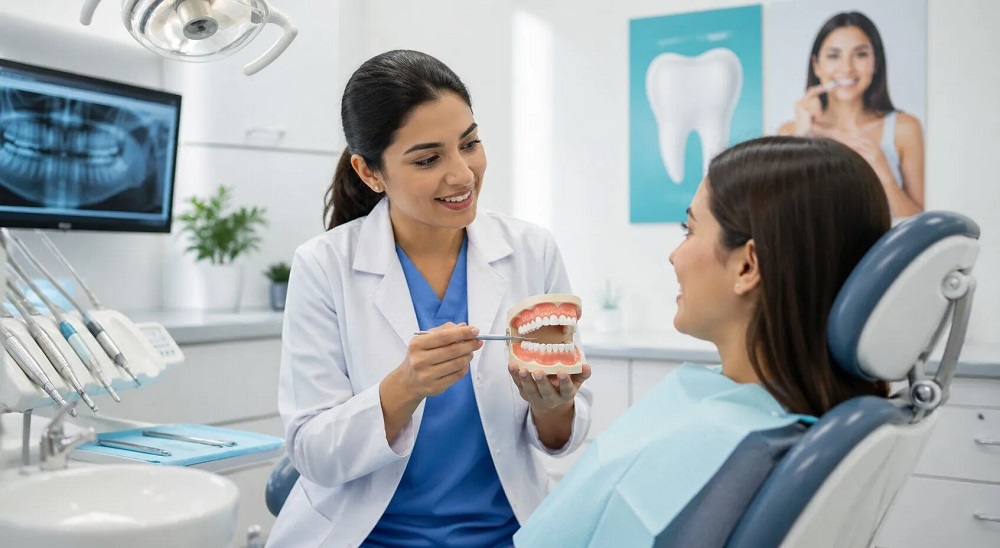
A dentist plays an essential role in maintaining not only oral health but also overall well-being. Many people think dental care is limited to keeping teeth clean and cavity-free, but oral health affects far more than appearance. Healthy teeth and gums contribute to proper digestion, confident communication, and even heart health.
Modern dentistry has evolved significantly over the years. Today’s dental professionals provide preventive care, restorative treatments, cosmetic procedures, and advanced oral health solutions designed to improve both function and comfort. Regular dental visits help detect problems early, often preventing more serious complications in the future.
In the United States, millions of people visit dentists every year for routine checkups, cleanings, and specialized treatments. Whether someone needs preventive care or a complete smile restoration, dentistry continues to be one of the most important parts of healthcare.
What Does a Dentist Do?
A dentist is a licensed healthcare professional who specializes in diagnosing, treating, and preventing conditions affecting the teeth, gums, and mouth.
Dentists perform a wide variety of services that support oral health and improve quality of life. Their work includes routine preventive care as well as more advanced procedures.
Common Services Provided by Dentists
- Dental exams and oral evaluations
- Professional teeth cleaning
- Cavity treatment and fillings
- Root canal therapy
- Tooth extractions
- Gum disease treatment
- Dental crowns and bridges
- Teeth whitening
- Dental implants
- Orthodontic evaluations
- Preventive education
Dentists also help identify signs of oral cancer, infections, jaw problems, and other conditions that may impact general health.
The Importance of Preventive Dental Care
Preventive dentistry focuses on stopping problems before they become serious. Routine dental care can reduce the risk of painful and expensive procedures later.
Regular Dental Checkups
Most dentists recommend scheduling checkups every six months. During these visits, dentists examine the teeth, gums, tongue, and surrounding tissues for signs of disease or damage.
Regular exams allow dentists to identify issues such as:
- Tooth decay
- Gum disease
- Plaque buildup
- Cracked teeth
- Bite problems
- Oral infections
- Early signs of oral cancer
Detecting these conditions early often leads to easier and less costly treatment.
Professional Teeth Cleaning
Even with proper brushing and flossing, plaque and tartar can accumulate in hard-to-reach areas.
Dental hygienists use specialized tools to remove buildup and polish the teeth. Professional cleanings help lower the risk of gum disease, cavities, and persistent bad breath.
Patients often notice smoother teeth and fresher breath after a cleaning appointment.
Common Dental Problems
Oral health issues can affect people of all ages. Understanding common dental conditions helps individuals recognize symptoms early.
Cavities
Cavities are one of the most widespread dental problems in the United States. They occur when bacteria produce acids that damage tooth enamel.
Symptoms may include:
- Tooth sensitivity
- Pain while eating
- Visible holes in teeth
- Dark spots on enamel
- Persistent toothache
Untreated cavities can worsen over time and may eventually require root canals or extractions.
Gum Disease
Gum disease, also called periodontal disease, develops when plaque buildup irritates the gums.
Early-stage gum disease may cause:
- Redness
- Swelling
- Bleeding while brushing
- Bad breath
Advanced gum disease can damage bone structure and lead to tooth loss.
Tooth Sensitivity
Sensitive teeth can cause discomfort when consuming hot, cold, sweet, or acidic foods.
Sensitivity may result from:
- Worn enamel
- Gum recession
- Cavities
- Cracked teeth
- Teeth grinding
Dentists can recommend treatments and products to reduce sensitivity and protect the teeth.
Tooth Loss
Missing teeth affect chewing ability, speech, and self-confidence.
Modern dentistry offers several replacement options, including:
- Dental implants
- Bridges
- Dentures
Replacing missing teeth can help restore oral function and improve appearance.
Types of Dentists and Dental Specialists
Dentistry includes several specialized fields that focus on specific oral health needs.
General Dentists
General dentists provide routine oral healthcare and preventive treatments for patients of all ages.
Orthodontists
Orthodontists specialize in correcting alignment issues using braces, clear aligners, and other treatments.
Pediatric Dentists
Pediatric dentists focus on oral healthcare for children and teenagers.
They are trained to manage developing teeth and create child-friendly dental experiences.
Oral Surgeons
Oral surgeons perform complex procedures such as wisdom tooth removal, jaw surgery, and dental implant placement.
Periodontists
Periodontists specialize in treating gum disease and supporting structures around the teeth.
Endodontists
Endodontists focus on procedures involving the inside of the tooth, especially root canal treatments.
Cosmetic Dentistry and Smile Enhancement
Cosmetic dentistry has become increasingly popular as people seek brighter and more attractive smiles.
Although cosmetic procedures improve appearance, many also provide functional benefits.
Teeth Whitening
Professional whitening treatments help remove stains caused by:
- Coffee
- Tea
- Tobacco
- Red wine
- Aging
Dentists offer safer and more effective whitening options compared to many over-the-counter products.
Veneers
Dental veneers are thin shells placed over the front surface of teeth.
They can improve:
- Tooth color
- Shape
- Alignment
- Minor gaps
- Chipped teeth
Dental Implants
Dental implants are considered one of the most durable tooth replacement solutions.
An implant consists of a titanium post placed in the jawbone with a crown attached on top.
Implants help maintain bone structure and provide a natural appearance.
Technology in Modern Dentistry
Advancements in dental technology have improved comfort, precision, and treatment outcomes.
Digital X-Rays
Digital imaging allows dentists to examine teeth and bone structures with greater clarity while reducing radiation exposure.
Intraoral Cameras
Small cameras help dentists show patients detailed images of their teeth and gums in real time.
Laser Dentistry
Dental lasers are used for various procedures, including gum treatments and cavity removal.
Laser technology may reduce discomfort and recovery time in some cases.
3D Printing and Digital Scanning
Modern dental offices increasingly use digital impressions and 3D printing for crowns, aligners, and restorations.
These technologies often improve accuracy and reduce waiting times.
Tips for Maintaining Good Oral Health
Strong oral hygiene habits can significantly lower the risk of dental problems.
Brush Properly
Dentists recommend brushing twice daily using fluoride toothpaste and a soft-bristled toothbrush.
Brushing should last at least two minutes.
Floss Every Day
Flossing removes food particles and plaque between teeth where toothbrushes cannot reach.
Daily flossing supports healthy gums and lowers cavity risk.
Limit Sugary Foods and Drinks
Excess sugar contributes to tooth decay.
Reducing sugary snacks and beverages can help protect enamel.
Drink Plenty of Water
Water helps rinse away food debris and bacteria while supporting saliva production.
Avoid Tobacco Products
Smoking and tobacco use increase the risk of:
- Gum disease
- Tooth discoloration
- Oral cancer
- Tooth loss
Wear Mouth Protection
Athletes and individuals who grind their teeth may benefit from custom mouthguards.
These devices help prevent injuries and enamel damage.
Dental Anxiety and Fear
Many people experience nervousness before dental appointments.
Fear of pain, past experiences, or unfamiliar procedures can contribute to dental anxiety.
Modern dentistry focuses heavily on patient comfort.
Ways Dentists Help Reduce Anxiety
- Gentle treatment approaches
- Sedation dentistry options
- Clear communication
- Comfortable office environments
- Relaxation techniques
Delaying dental care due to fear can allow small issues to become more serious over time.
The Connection Between Oral Health and Overall Health
Research continues to show strong links between oral health and general wellness.
Poor oral hygiene may contribute to broader health concerns, including:
- Heart disease
- Diabetes complications
- Respiratory infections
- Pregnancy complications
Inflammation caused by gum disease may affect other systems throughout the body.
Maintaining oral health supports long-term overall wellness.
How Often Should You Visit the Dentist?
Most healthy adults should visit the dentist every six months for preventive care.
However, individuals with gum disease, ongoing dental issues, or certain medical conditions may require more frequent visits.
Children should begin seeing a dentist early to support healthy oral development and establish lifelong habits.
Choosing the Right Dentist
Finding the right dentist can improve comfort and encourage consistent oral care.
Factors to Consider
- Experience and qualifications
- Office cleanliness
- Communication style
- Services offered
- Emergency care availability
- Insurance compatibility
- Patient reviews
A trustworthy dentist should make patients feel informed, respected, and comfortable.
Final Thoughts
Dentists play a vital role in supporting both oral and overall health. From preventive care and cavity treatment to cosmetic improvements and advanced restorations, modern dentistry offers solutions for nearly every stage of life.
Routine dental visits, strong hygiene habits, and early treatment can prevent many serious oral health problems before they progress.
As dental technology continues to advance, patients now have access to safer, faster, and more comfortable care than ever before.
Investing in oral health is more than maintaining a bright smile. It is an important step toward protecting long-term physical health, confidence, and quality of life.
Frequently Asked Questions
1. At what age should children first visit a dentist?
Children should usually have their first dental visit by their first birthday or when their first tooth appears.
2. Why do dentists recommend fluoride?
Fluoride helps strengthen tooth enamel and reduces the risk of cavities.
3. Are electric toothbrushes better than manual toothbrushes?
Electric toothbrushes can improve plaque removal for many people, especially those with limited mobility or difficulty brushing effectively.
4. What causes bad breath even after brushing?
Persistent bad breath may result from gum disease, dry mouth, poor oral hygiene, infections, or certain medical conditions.
5. Can stress affect dental health?
Yes, stress may contribute to teeth grinding, jaw tension, gum problems, and poor oral hygiene habits.
6. How long do dental fillings last?
The lifespan of a filling depends on the material used, oral hygiene habits, and chewing pressure. Many fillings last several years before needing replacement.
7. Is bleeding while flossing normal?
Occasional mild bleeding may happen if flossing is inconsistent, but persistent bleeding can indicate gum inflammation or gum disease and should be evaluated by a dentist.

Comments are closed.