

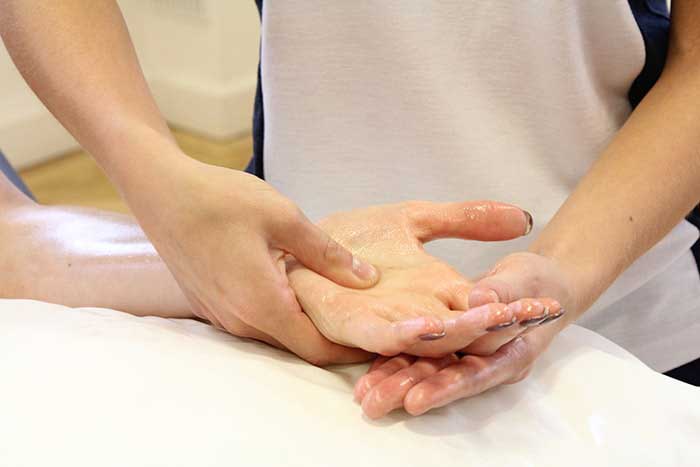
Acupressure has been practiced for thousands of years as part of traditional healing systems that focus on restoring balance within the body. Unlike modern treatments that often concentrate only on symptoms, acupressure aims to support the body’s natural ability to heal itself. This technique uses finger pressure on specific points across the body to encourage relaxation, reduce discomfort, and improve overall well-being.
Today, acupressure is gaining popularity across the United States as more people look for non-invasive ways to manage stress, muscle tension, headaches, fatigue, and sleep issues. While it shares similarities with acupuncture, acupressure does not involve needles, making it a preferred option for individuals seeking a gentler and more accessible form of therapy.
What Is Acupressure?
Acupressure is a therapeutic practice based on the principles of Traditional Chinese Medicine. Practitioners believe the body contains pathways called meridians through which vital energy, often referred to as qi or chi, flows. When this energy becomes blocked or unbalanced, physical discomfort and emotional stress may develop.
By applying steady pressure to specific points along these pathways, acupressure is believed to help restore balance and encourage the smooth flow of energy throughout the body.
The technique can be performed by trained professionals or practiced at home once the correct pressure points are understood.
How Acupressure Works
Acupressure involves applying firm but gentle pressure using the fingers, palms, elbows, or specialized tools. Pressure is typically held for several seconds to several minutes, depending on the purpose of the treatment.
Many modern health experts believe acupressure may work by stimulating the nervous system, increasing blood circulation, relaxing muscles, and encouraging the release of endorphins, which are the body’s natural pain relievers.
Although scientific research continues to explore its full effectiveness, many people report noticeable improvements in stress levels, pain management, and relaxation after regular sessions.
Common Benefits of Acupressure
Acupressure is widely used for both physical and emotional wellness. Its growing popularity comes from its simplicity, accessibility, and non-invasive nature.
Stress and Anxiety Relief
One of the most common reasons people turn to acupressure is stress management. Daily responsibilities, work pressure, and digital overload can place constant strain on the nervous system.
Acupressure may help calm the body by activating relaxation responses and lowering muscle tension. Certain pressure points are often associated with emotional balance and mental clarity.
Headache and Migraine Support
People experiencing tension headaches or migraines often use acupressure as a complementary therapy. Applying pressure to points around the hands, neck, and temples may help reduce headache intensity and frequency.
Many individuals find relief when acupressure is combined with hydration, rest, and healthy sleep habits.
Muscle Tension and Pain Management
Muscle tightness in the shoulders, neck, and lower back is common among people who sit for long periods or experience physical strain.
Acupressure can help improve circulation and relax tight muscle groups, potentially reducing discomfort caused by:
- Poor posture
- Repetitive movement
- Physical stress
- Exercise-related soreness
- Everyday tension
Improved Sleep Quality
Difficulty sleeping affects millions of adults. Stress, anxiety, and overstimulation can interfere with healthy sleep patterns.
Some pressure points are believed to encourage relaxation and improve sleep quality. People who practice acupressure before bedtime often describe feeling calmer and more physically relaxed.
Digestive Support
Acupressure is also commonly used to help support digestive wellness. Some individuals use it to manage symptoms such as:
- Bloating
- Mild nausea
- Indigestion
- Motion sickness
- Stomach discomfort
While it should not replace medical care for serious digestive conditions, acupressure may complement a healthy lifestyle and balanced diet.
Popular Acupressure Points
Understanding a few commonly used acupressure points can help beginners safely explore the practice.
LI4: The Hand Valley Point
Located between the thumb and index finger, this point is frequently used for headaches, facial tension, and stress.
To apply pressure:
- Use the thumb and index finger of the opposite hand.
- Press firmly into the webbing between the fingers.
- Hold for 30 to 60 seconds while breathing slowly.
This point should generally be avoided during pregnancy unless advised by a qualified healthcare professional.
PC6: Inner Wrist Point
This point is found about three finger widths below the wrist crease on the inner forearm.
It is commonly associated with:
- Nausea relief
- Motion sickness support
- Anxiety reduction
- Relaxation
GV20: Crown of the Head
Located at the top center of the head, this point is believed to help clear mental fog and encourage calmness.
Gentle circular pressure may promote relaxation during periods of stress or mental fatigue.
ST36: Leg Energy Point
Situated below the kneecap on the outer side of the shin, this point is often used to support energy levels and digestion.
Many practitioners consider it one of the body’s most important wellness points.
Acupressure vs. Acupuncture
Although acupressure and acupuncture are based on similar principles, they differ in technique.
Acupressure
- Uses finger pressure
- Non-invasive
- No needles involved
- Easier for self-care
- Commonly practiced at home
Acupuncture
- Uses thin sterile needles
- Requires trained professionals
- More specialized treatment approach
- Often performed in clinical settings
People who are uncomfortable with needles often prefer acupressure because it provides a more approachable experience.
What Happens During an Acupressure Session?
A professional acupressure session usually begins with a discussion about symptoms, lifestyle habits, and wellness goals.
The client typically lies on a massage table while the practitioner applies pressure to selected points throughout the body. Sessions often last between 30 and 60 minutes.
Most people describe the experience as relaxing rather than painful. Some pressure points may feel tender at first, but discomfort is usually temporary.
After a session, individuals may feel:
- Relaxed
- Energized
- Sleepy
- Emotionally calmer
- Less physically tense
Hydration and rest are often recommended afterward.
Can Acupressure Be Practiced at Home?
Yes, many forms of acupressure can be safely practiced at home with basic knowledge and gentle pressure.
Beginners should focus on a small number of commonly known points and avoid applying excessive force.
Tips for Safe Home Practice
- Wash hands before beginning
- Sit or lie in a comfortable position
- Use slow, steady pressure
- Breathe deeply during each technique
- Stop if pain becomes sharp or uncomfortable
- Limit sessions to a few minutes per point
Consistency often matters more than intensity.
Scientific Research and Modern Interest
Interest in acupressure has increased significantly in modern healthcare discussions. Researchers continue studying its role in pain management, stress reduction, nausea relief, and supportive wellness care.
Some studies suggest acupressure may help reduce postoperative nausea, labor discomfort, anxiety, and tension headaches. However, experts generally agree that more large-scale research is needed to fully confirm all proposed benefits.
Despite ongoing scientific debate, many hospitals, wellness clinics, and physical therapy centers now include acupressure within integrative care programs.
Who May Benefit From Acupressure?
Acupressure may be beneficial for individuals looking for natural wellness support alongside healthy lifestyle habits.
It is commonly explored by people dealing with:
- Everyday stress
- Muscle tension
- Mild headaches
- Sleep difficulties
- Fatigue
- Digestive discomfort
- Emotional overwhelm
Athletes, office workers, students, and older adults all use acupressure for different wellness goals.
When to Avoid Acupressure
Although acupressure is generally considered safe for most healthy adults, there are situations where caution is necessary.
People should speak with a healthcare provider before trying acupressure if they:
- Are pregnant
- Have serious medical conditions
- Experience unexplained pain
- Have fractures or injuries
- Have skin infections or wounds near pressure points
- Have circulatory disorders
Acupressure should not replace emergency medical treatment or professional healthcare advice.
Combining Acupressure With Healthy Habits
Acupressure tends to work best when combined with overall wellness practices.
Helpful lifestyle habits include:
- Regular exercise
- Proper hydration
- Nutritious meals
- Quality sleep
- Stress management techniques
- Stretching and mobility work
- Mindful breathing
Together, these habits can support both physical and emotional well-being.
The Growing Popularity of Acupressure
As interest in holistic wellness continues to grow in the United States, acupressure has become more widely recognized for its accessibility and simplicity.
Unlike expensive treatments or complicated procedures, acupressure offers a low-cost wellness practice that many people can learn and apply in daily life.
From wellness spas and chiropractic clinics to physical therapy offices and meditation centers, acupressure is now integrated into a broad range of health-focused environments.
Final Thoughts
Acupressure represents a blend of ancient wisdom and modern wellness interest. While research is still developing, countless individuals continue using this technique to support relaxation, manage stress, and ease everyday discomfort.
Its gentle, non-invasive nature makes it appealing to people looking for practical self-care tools without relying entirely on medication or intensive treatments.
Whether practiced professionally or at home, acupressure encourages greater awareness of the body and its natural responses to tension, stress, and balance.
For those interested in holistic wellness, acupressure offers a simple yet meaningful way to support both physical comfort and emotional calm.
Frequently Asked Questions
1. Is acupressure painful?
Acupressure is usually not painful when performed correctly. Some points may feel tender or sensitive, but the pressure should remain manageable and relaxing.
2. How long does it take for acupressure to work?
Some people feel immediate relaxation after a session, while others notice gradual improvements over multiple sessions. Results vary depending on the condition being addressed.
3. Can acupressure help with anxiety?
Many individuals use acupressure to support relaxation and stress management. Certain pressure points are associated with calming effects that may help reduce feelings of anxiety.
4. Is acupressure safe for children?
Gentle acupressure may be used for children in some situations, but it should be performed carefully and preferably under professional guidance.
5. How often should acupressure be practiced?
Frequency depends on personal goals and comfort levels. Some people practice daily for relaxation, while others use it occasionally for stress or muscle tension.
6. Can acupressure replace medical treatment?
Acupressure should not replace professional medical care for serious conditions. It is best used as a complementary wellness practice alongside appropriate healthcare.
7. What is the difference between reflexology and acupressure?
Reflexology mainly focuses on pressure points in the feet, hands, and ears, while acupressure uses points located throughout the entire body based on traditional meridian pathways.

Comments are closed.